
Situation queue
Operator
Know what needs a decision now.
An exception arrives with linked evidence, response options, and the next owner.
Delivery at riskReview reroute options
Governed decision execution
Yedron is the operating layer for decisions that cross systems and teams. It assembles context, evaluates options, applies policy, routes approvals, and records what happened.
Start with one governed workflow. Expand when its controls and outcomes are clear.
Situation detected
A carrier delay may affect a customer commitment.
Shipment, inventory, route, and order records linked.
Reroute through an available carrier for review.
The operations lead approves before writeback.
The loop in action
Follow an illustrative shipment exception from the first warning through a human-approved action, measured result, and decision record.
Situation · 01 / 08
A port delay changes the expected arrival for a strategic customer order.
The situation is opened with the source event and affected commitment.
Made for the people in the loop
The same operating record serves different jobs. Operators move the case, leaders see outcomes, admins set limits, and audit can trace the path.
Operator
An exception arrives with linked evidence, response options, and the next owner.
Leader
Review unresolved work, overrides, and outcomes across the operating loop.
Admin
Define policy, access, approval paths, and connector scope for the workflow.
Audit
Follow the event, evidence, authority, execution, and result in one record.
Illustrative product surfaces. The first deployment defines which roles, controls, and views are needed.
From records to decisions
One system knows the order. Another knows the shipment, customer, or inventory. Bring that context to the people and policies that determine what happens next.
Bring the relevant event, source records, and relationships into one operating context.
Use rules and approved intelligence to compare responses and their tradeoffs.
Check policy, assign ownership, and route human approval when the decision requires it.
Execute through governed workflows, observe the result, and preserve the evidence.
Institutional intelligence
Operational knowledge should survive the handoff. Keep the situation, evidence, decision, approval, action, and observed outcome connected so the next decision begins with more context.
Read the guideWhere it works
The same governed loop can support different domains. Start with a concrete decision, its systems, its action owner, and a measurable outcome.
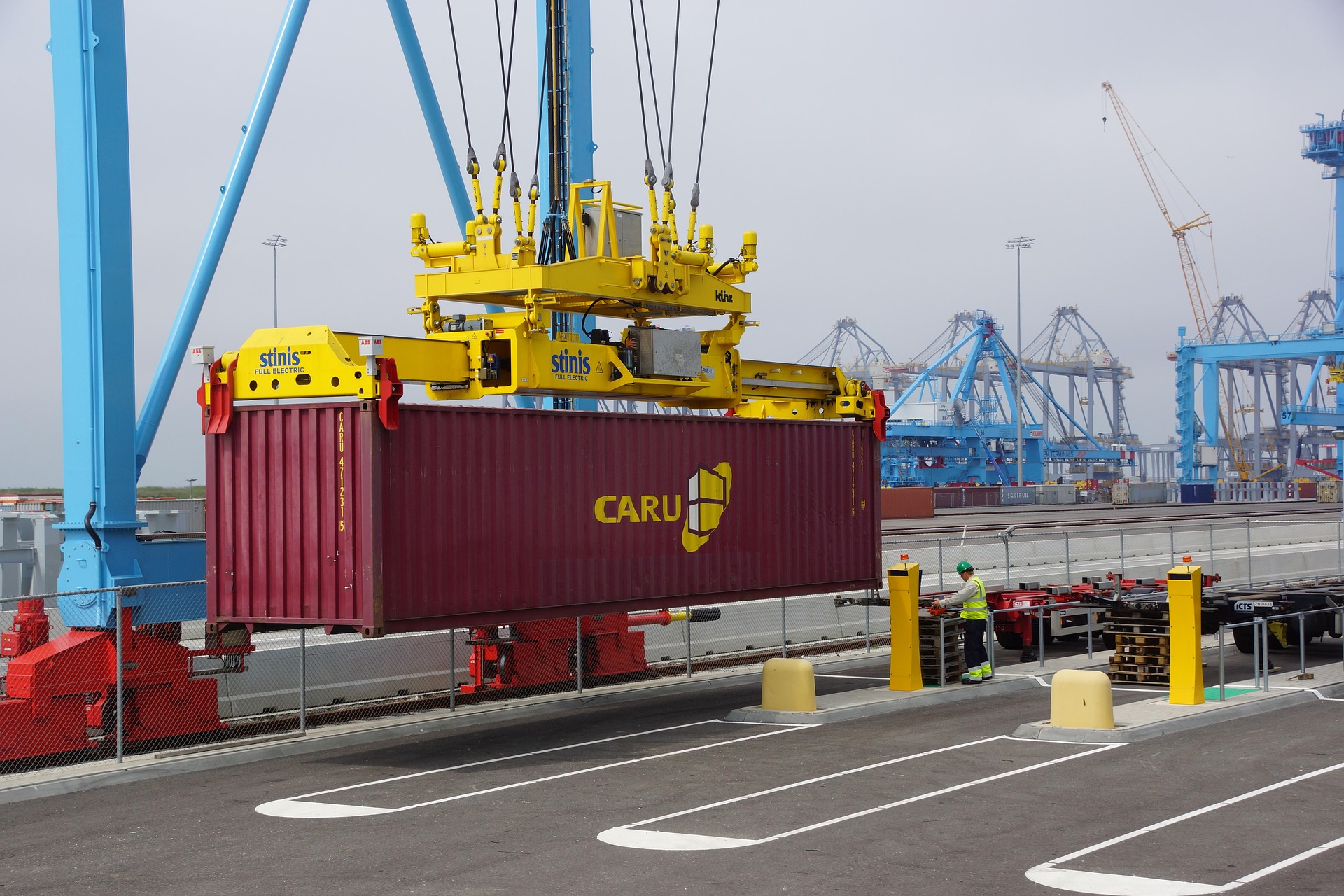
Resolve exceptions across shipments, inventory, carriers, and customer commitments.

Connect production signals to maintenance, quality, and operator decisions.

Coordinate staffing, resources, and review paths with human oversight.
A practical starting point
Choose an operational decision with a clear owner and business impact. Define the source systems, policy, approvals, action, and outcome before expanding to adjacent workflows.