Agriculture

Run farm operations

Yedron runs crop, irrigation, field-risk, disease-response, and yield operations continuously within agronomy policy and the decisions leaders retain.

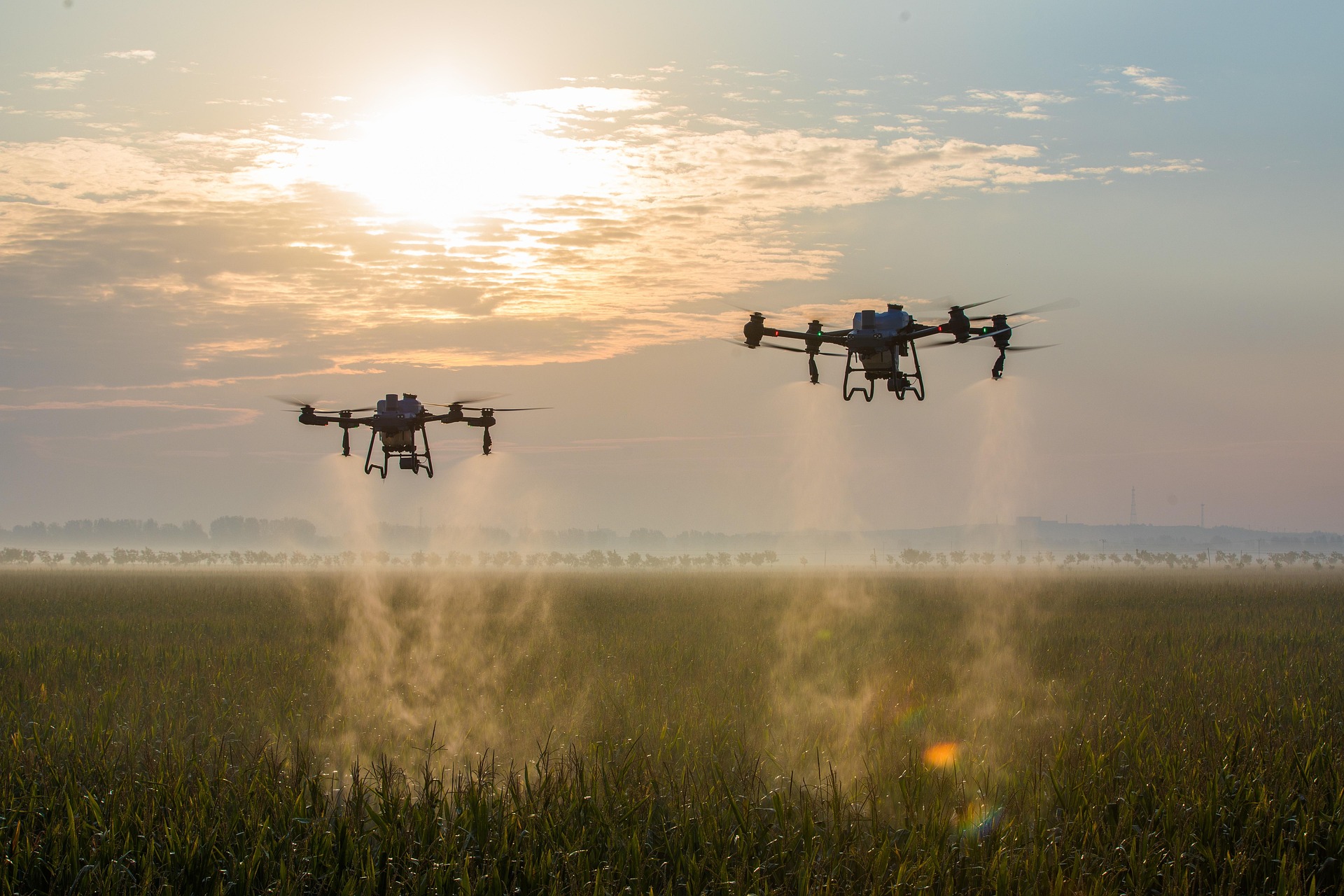
Field drones monitoring agricultural land

Where work slows

Where agricultural work slows

Field conditions change faster than teams can assemble sensor data, agronomy knowledge, equipment capacity, and the right response.

01

Weather and field variability

Crop decisions are affected by changing environmental conditions that are difficult to monitor consistently across fields and seasons.

02

Late crop health visibility

Problems are often discovered after yield impact has already started because signals are scattered across manual observations and siloed tools.

03

Irrigation inefficiency

Water decisions are hard to optimize when soil, weather, crop stage, and equipment data are not connected into one system.

04

Disease and pest response pressure

Risks worsen in the field while observations are identified, interpreted, and routed to the right teams.

05

Yield planning uncertainty

Operators need better forecasts for harvest planning, labor coordination, and downstream supply decisions.

06

Execution reliability needs

Automated farm actions need controls, fallback paths, and confidence thresholds so the system behaves predictably.

What Yedron runs

What Yedron runs in agriculture

Yedron turns crop stress, irrigation demand, disease risk, and yield plans into coordinated field action with a recorded outcome.

01

Crop health response

Yedron combines field observations, imagery, sensor inputs, and agronomy rules to identify crop stress and start the response.

Operating scope

  • Field condition aggregation
  • Crop stress detection
  • Issue prioritization by risk and severity
  • Field-level alerting and summaries
  • Historical pattern tracking

Outcome

Earlier intervention

Issues reach the right field teams before they spread across fields or growth stages

02

Yield and harvest planning

Yedron turns yield signals into earlier labor, harvest, inventory, and supply decisions.

Operating scope

  • Yield forecasting
  • Seasonal trend analysis
  • Scenario comparisons
  • Planning operating views
  • Outcome review for managers

Outcome

Stronger planning

Labor, inventory, and downstream coordination align earlier around the same outlook

03

Irrigation response

Execution systems that turn field conditions and thresholds into controlled irrigation decisions and alerts.

Operating scope

  • Soil and weather signal monitoring
  • Irrigation decision intelligence
  • Threshold-triggered requests
  • Agronomy rules and override controls
  • Water usage monitoring

Outcome

Smarter water use

Irrigation decisions become more timely and more aligned with actual field conditions

04

Disease and response coordination

Yedron routes field risks, prepares the action, and connects the right teams to the right intervention.

Operating scope

  • Risk classification
  • Field issue routing
  • Response playbooks
  • Escalation triggers
  • Outcome feedback loops

Outcome

Faster response cycles

Field teams move from detection to intervention with less delay

How the operation runs

How agricultural operations run

Illustrative operating situations showing how Yedron carries a field signal through decision, action, and follow-through. These examples are conceptual, not customer case studies or measured results.

Commercial farming operator

Field intelligence rollout

01

Situation

Agronomy and operations teams lacked a unified view of crop stress signals, field conditions, and response priorities.

Action

Yedron combines field data, alerting, and action routing so high-risk conditions move quickly into an owned response.

Outcome

Better visibility into field-level risk
Earlier detection of crop health issues
Clearer escalation for agronomy teams
Foundation for continuous field response

Connected systems and controls

Sensor integrationsOperating viewsAlerting pathsKnowledge rules

Multi-site agricultural enterprise

Irrigation coordination

02

Situation

Irrigation teams were relying on manual checks and disconnected signals to decide when and where to act.

Action

Yedron continuously coordinates irrigation from field signals, thresholds, company rules, and outcome monitoring across sites.

Outcome

More consistent irrigation decisions
Improved alignment with field conditions
Reduced manual coordination effort
Clearer historical review of actions taken

Connected systems and controls

Event triggersCompany rulesOutcome reviewControl views

Control that stays with the work

Control that stays with the work

Sensor and field data integration
Agronomy rule encoding
Manual override paths
Outcome tracking and outcome tracking

What connects

What connects

Field systems, equipment data, agronomy knowledge, company rules, and outcome records work from one operating picture.

Sensor data connectorsCompany rulesOperating viewsForecastingThreshold-based triggersKnowledge retrievalOutcome review

Make it concrete

Run field operations from signal to action

Turn crop conditions, irrigation needs, disease risk, and yield plans into coordinated work across the operation.